What Is Tokenization? How Real-World Assets Can Become Digital
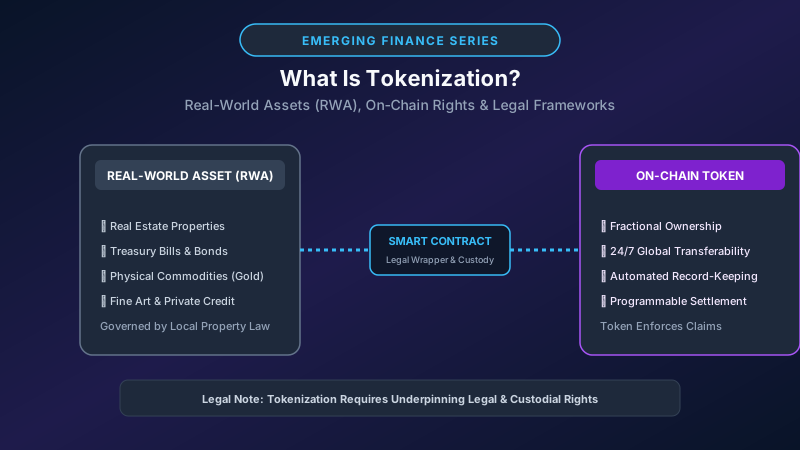
A plain-language guide explaining asset tokenization, covering real-world assets (RWA), fractional ownership, smart contracts, legal wrappers, and limitations.
Exploring artificial intelligence in finance, autonomous trading agents, open banking APIs, and financial technology infrastructure.
A plain-language guide explaining asset tokenization, covering real-world assets (RWA), fractional ownership, smart contracts, legal wrappers, and limitations.
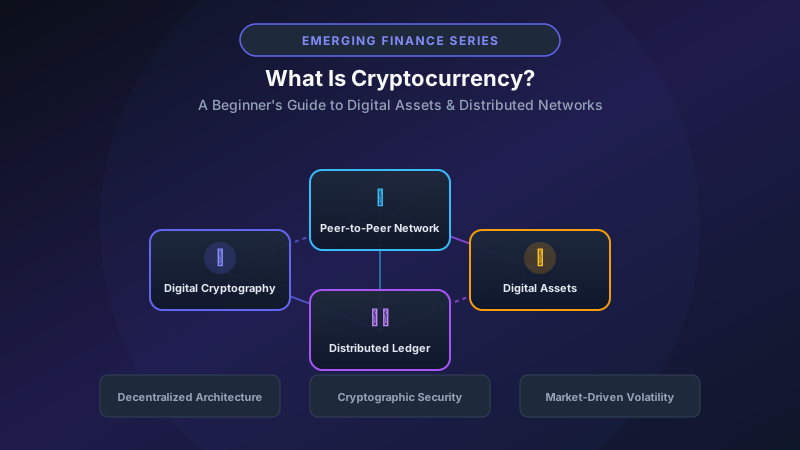
A comprehensive beginner's guide explaining cryptocurrency from first principles, covering digital assets, blockchain networks, private keys, market volatility, and risk factors.
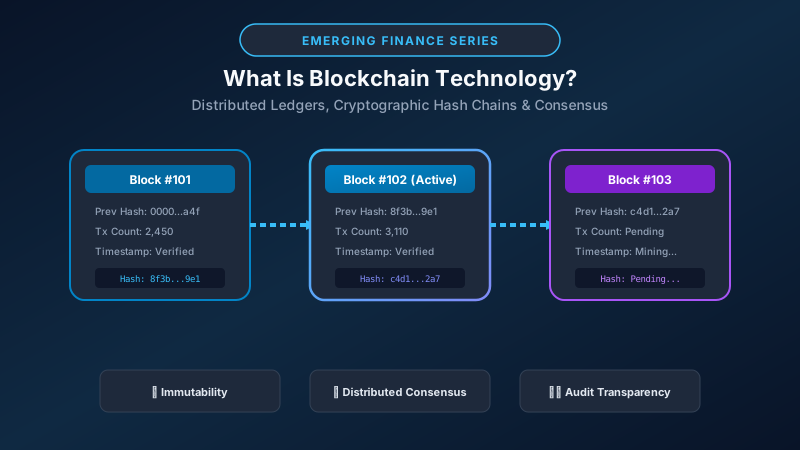
A plain-language guide explaining blockchain technology, covering blocks, cryptographic hashes, peer-to-peer nodes, consensus rules, immutability, and real-world uses.
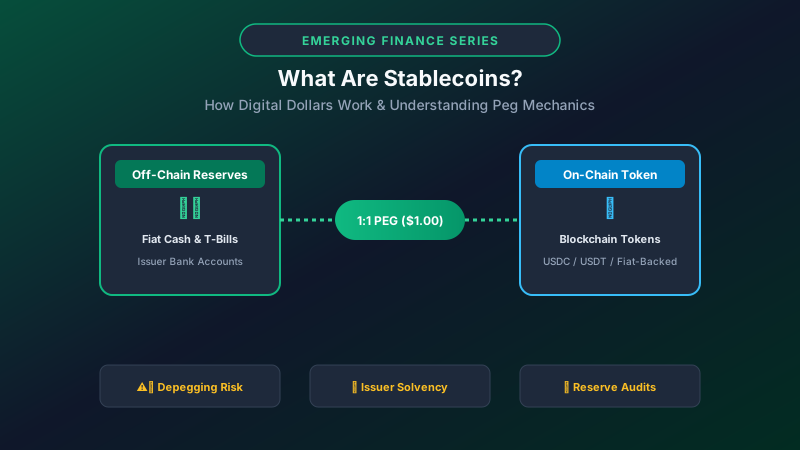
An educational guide to stablecoins, covering fiat-backed reserves, algorithmic pegs, redemption rights, counterparty risk, and why stable does not mean risk-free.
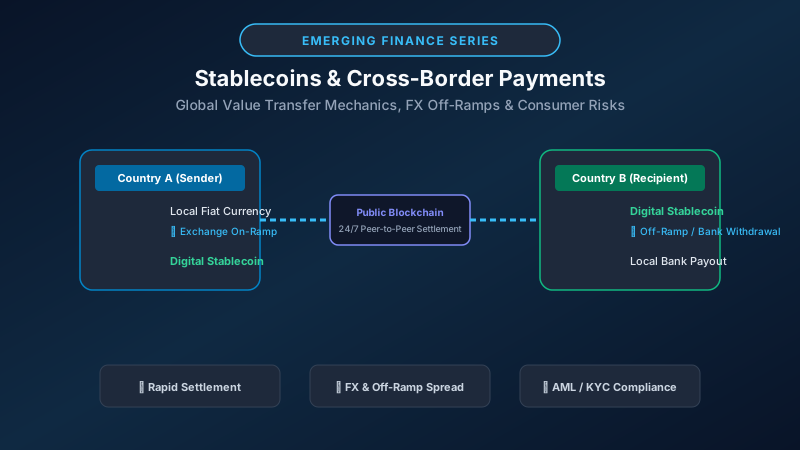
An educational overview examining how stablecoins facilitate cross-border value transfer, analyzing settlement speed, fees, FX conversion, compliance, and consumer risks.
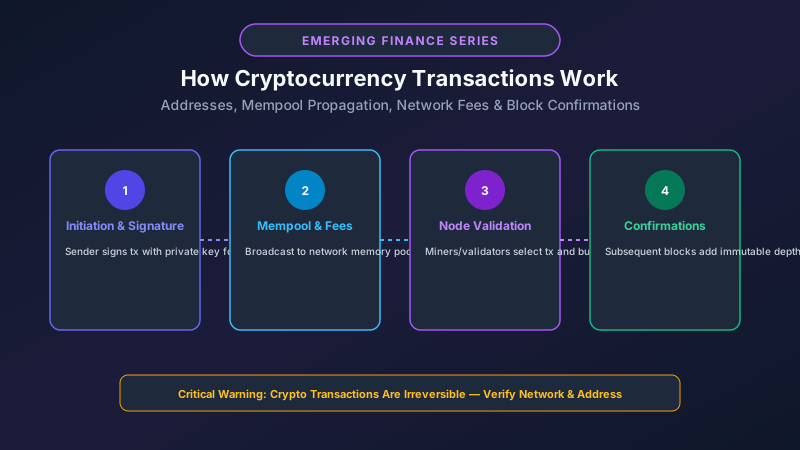
A step-by-step guide explaining the cryptocurrency transaction lifecycle, covering public addresses, private key signatures, network fees, mempools, and confirmations.
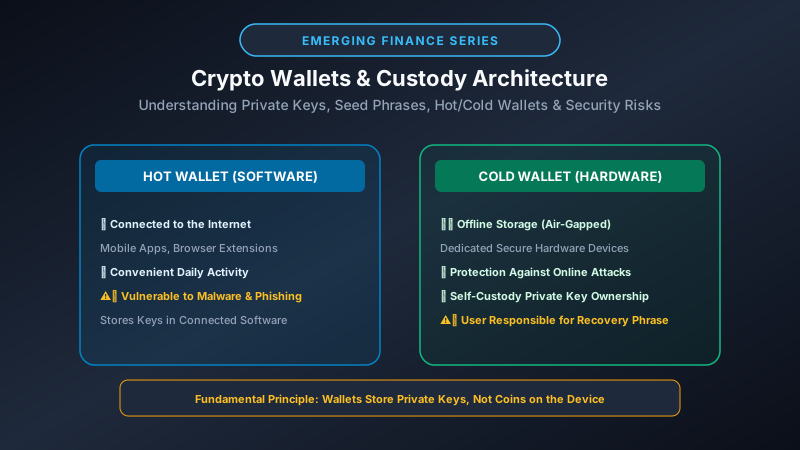
A complete educational guide explaining what crypto wallets store, public keys, private keys, seed phrases, hot vs cold storage, and self-custody risks.
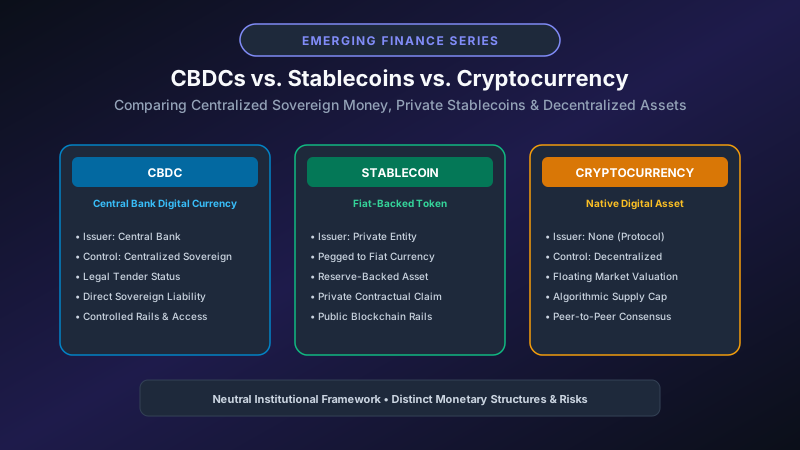
A neutral educational guide comparing CBDCs, stablecoins, and cryptocurrencies across central bank issuance, reserve backing, privacy, and technology rails.
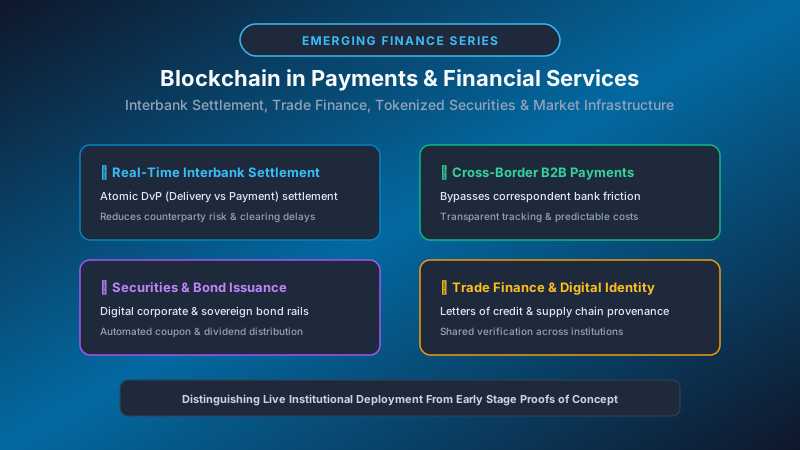
An educational overview of how blockchain and distributed ledger technology transform financial infrastructure, payments, securities settlement, and trade finance.
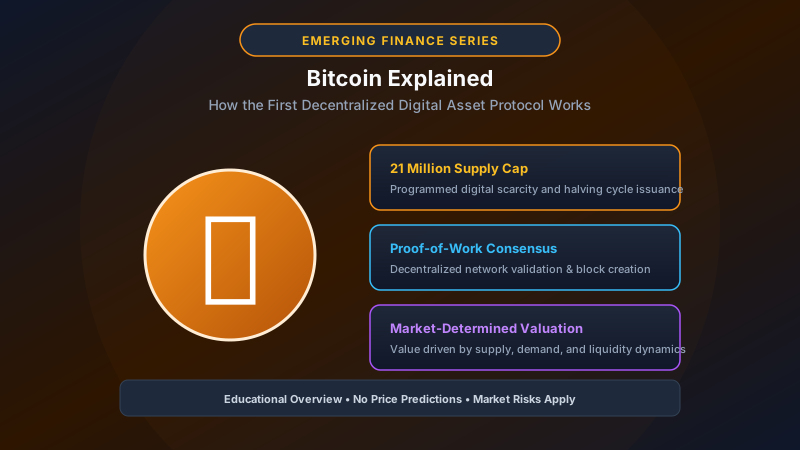
Understand Bitcoin's core mechanics, including its 21 million supply cap, Proof-of-Work consensus, block rewards, transactions, and market-determined value.
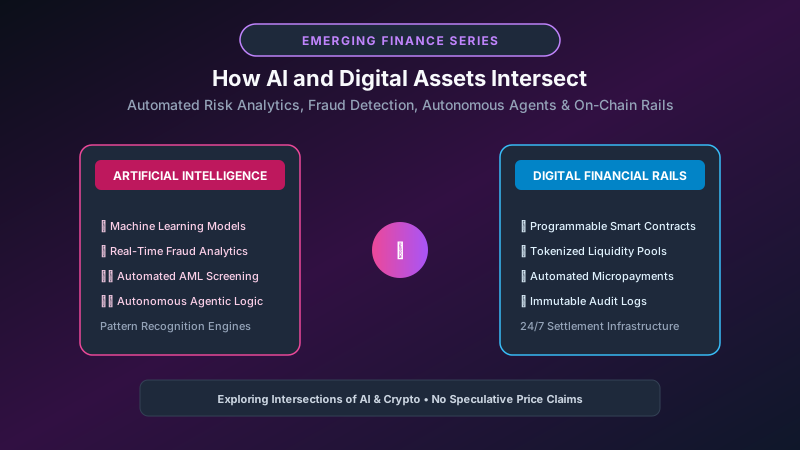
An educational exploration of how Artificial Intelligence and digital assets intersect across automated compliance, fraud detection, risk analytics, and smart contract rails.
A deep dive into open banking architecture, examining financial API data sharing, credential screen scraping replacement via OAuth 2.0, and CFPB Section 1033 consumer data rights.
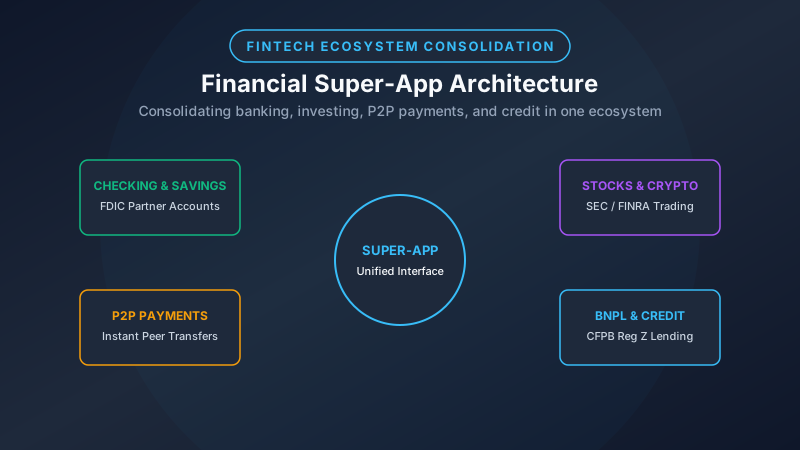
A comprehensive overview of financial super-apps, analyzing how single platforms integrate banking, stock trading, payments, and budgeting, alongside privacy and concentration risks.
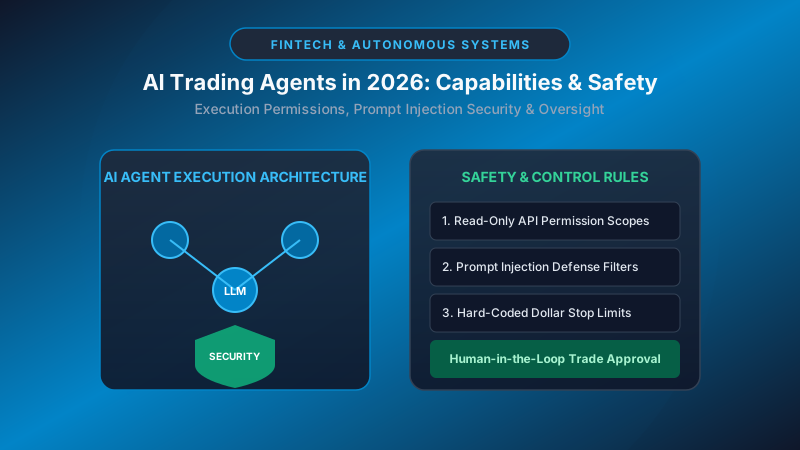
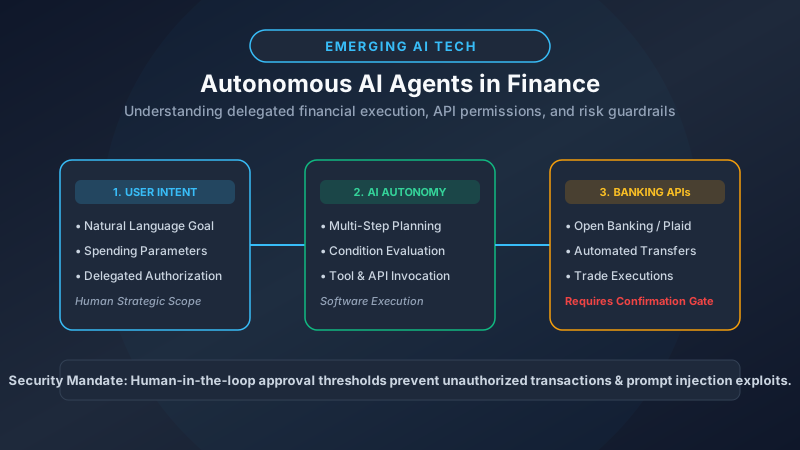
Autonomous AI agents are transforming financial technology. Discover what current financial AI tools can execute, key security risks, and oversight rules.
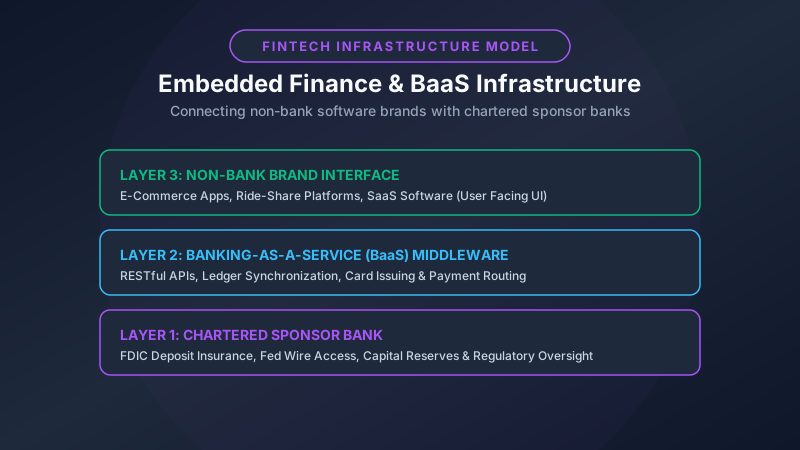
An explanation of embedded finance technology, showing how non-financial brands use Banking-as-a-Service (BaaS) platforms to offer branded accounts, payments, and credit.
A comprehensive guide analyzing autonomous AI financial agents, examining delegated API execution, banking integration, security vulnerabilities, and human oversight.
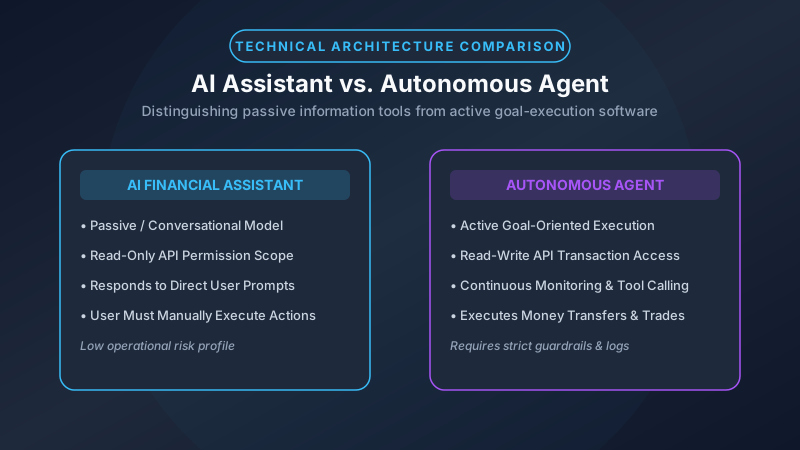
Learn the critical distinctions between conversational AI assistants and autonomous execution agents in personal finance, including permission scopes, guardrails, and audit trails.
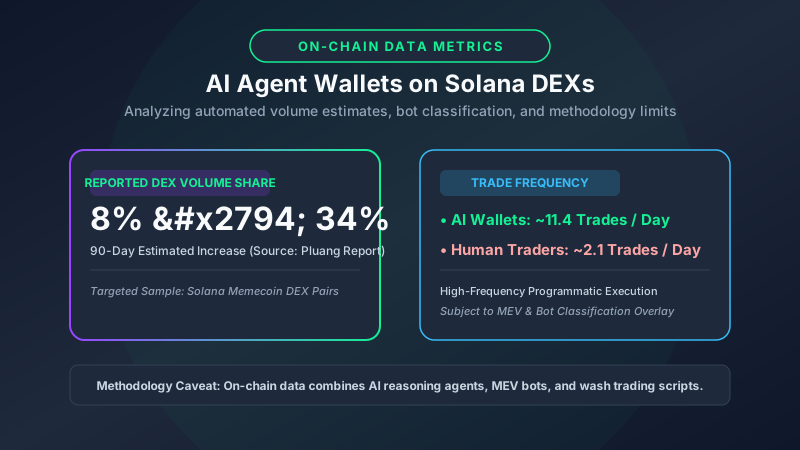
A technical data audit examining reported estimates of AI agent wallet trading on Solana DEXs, analyzing transaction velocity, bot classification, and measurement limits.
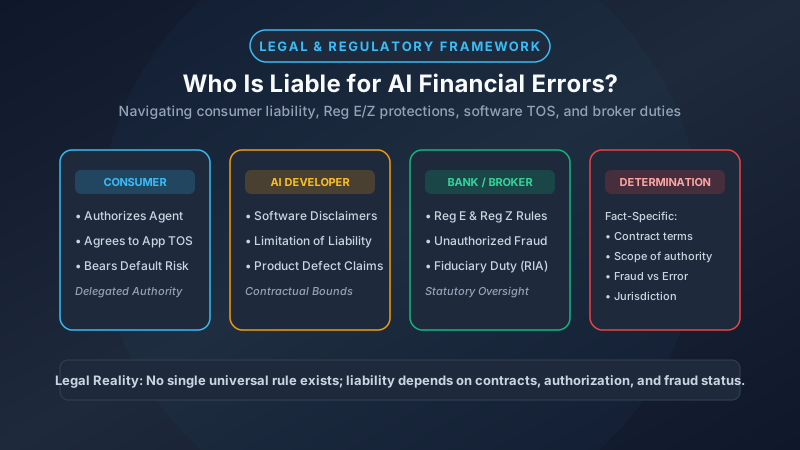
A detailed legal and regulatory breakdown examining liability when autonomous AI agents make financial errors, covering Reg E, contracts, and software disclaimers.