Common Cryptocurrency Scams and How to Recognize Them
An educational fraud-prevention guide detailing major cryptocurrency scams, red flag warnings, phishing tactics, fake investment platforms, and security habits.
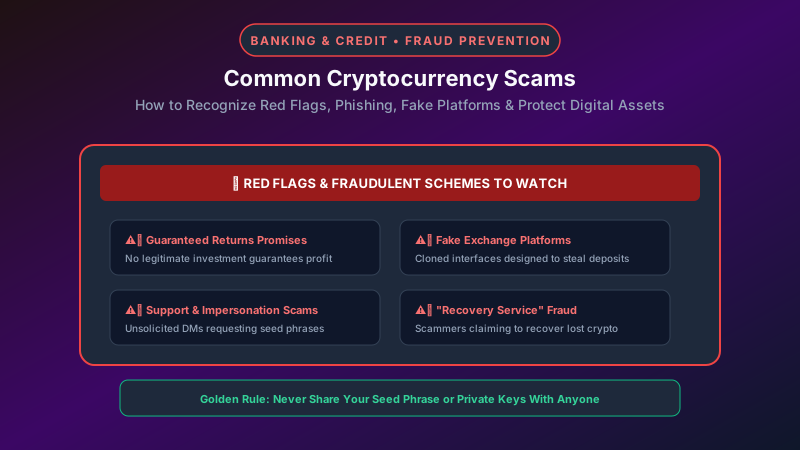
Common Cryptocurrency Scams and How to Recognize Them
The pseudo-anonymous, borderless nature of what-is-cryptocurrency combined with the irreversible mechanics of how-cryptocurrency-transactions-work has made digital assets a frequent target for criminal scammers.
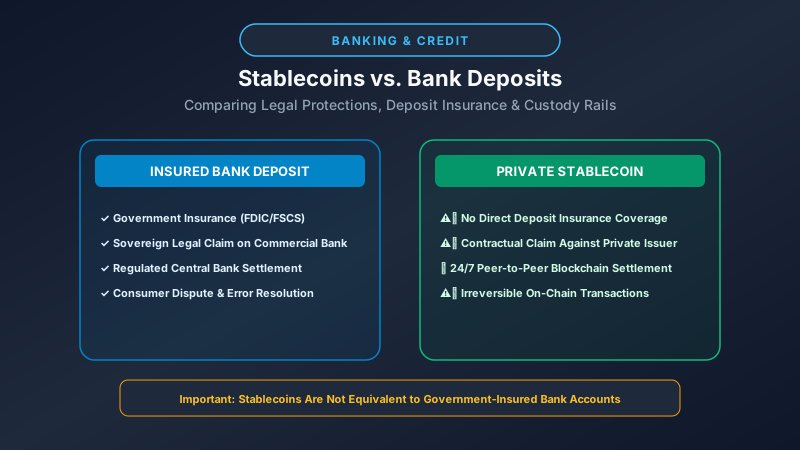
Because cryptocurrency transactions carry no sovereign deposit insurance or bank chargeback protections, consumer awareness and fraud recognition represent the most effective defenses against loss. This guide details major cryptocurrency scam vectors, highlights universal red flags, and outlines essential protection habits.
1. Anatomy of Major Cryptocurrency Scam Vectors
                   ┌── 1. Fake Investment Platforms (Guaranteed Return Claims)
                   │
                   ├── 2. Impersonation & Customer Support Scams (Social Media DMs)
Crypto Scam        │
Technique Taxonomy ┼── 3. Phishing & Malicious App Clones (Seed Phrase Theft)
                   │
                   ├── 4. Romance / Confidence Scams ("Pig Butchering")
                   │
                   └── 5. Fraudulent "Crypto Recovery Services" (Secondary Fraud)
1. Fake Investment & Trading Platforms
Scammers create sophisticated websites or mobile apps that mimic legitimate trading platforms. They display fabricated account dashboards showing steady "profits." However, when victims attempt to withdraw their funds, the platform demands additional "taxes," "compliance fees," or blocks access entirely.
2. Impersonation & Technical Support Fraud
Fraudsters pose as official customer support reps, exchange employees, or government officials on social media platforms (such as Telegram, X, or Discord). They send unsolicited direct messages offering troubleshooting assistance while secretly directing victims to phishing forms that harvest private keys or seed phrases.
3. Phishing Websites and Fake Mobile Apps
Attackers buy search engine ads or send spoofed emails linking to cloned login pages of popular exchanges or software wallets. Typing your password or 12-word recovery phrase into a cloned interface hands total control of your funds to the attacker instantly.
4. Romance and Confidence Schemes ("Pig Butchering")
Scammers build online relationships with targets over weeks or months via messaging apps. Once trust is established, the scammer casually introduces a "high-yield crypto investment opportunity," guiding the victim to deposit funds into a fraudulent platform controlled by the criminal syndicate.
5. Fake "Recovery Service" Scams
After a consumer falls victim to a scam, secondary fraudsters target them on social forums claiming they can hack the scammer's wallet or recover lost funds using proprietary software for an upfront fee. In reality, legitimate recovery services cannot reverse blockchain transactions.
2. Universal Red Flags: How to Spot Fraud Instantly
Regardless of the specific scheme, crypto scams rely on predictable psychological triggers. Protect yourself by recognizing these five universal red flags:
🚩 Guaranteed High Returns  🚩 High Pressure / Urgency  🚩 Unsolicited Investment Advice
🚩 Demands for Seed Phrases 🚩 Payment Demanded Only via Crypto / Gift Cards
| Scam Signal | Legitimate Financial Practice | Fraudulent Red Flag |
|---|---|---|
| Return Guarantees | Investments involve market risk; returns are never guaranteed. | Promises of "100% guaranteed daily returns" or "zero risk." |
| Private Credentials | Legitimate platforms never ask for your seed phrase. | Requests for your 12 or 24-word wallet recovery phrase. |
| Communication Channel | Official support handled via verified email/help desk tickets. | Direct messages from "support reps" on Telegram or Discord. |
| Payment Pressure | Standard financial review timelines and verified bank rails. | Demands to act immediately or pay fees exclusively via crypto. |
| Withdrawal Demands | Clear, published fee schedules for account withdrawals. | Demands for extra "tax deposits" before allowing withdrawals. |
For a broader look at traditional bank and online fraud protection, read our comprehensive guide on common-financial-scams-how-to-avoid-them.
3. Essential Security Habits to Protect Your Assets
Adopting disciplined digital safety practices significantly reduces your vulnerability to fraud:
- Protect Your Seed Phrase: Store your 12 or 24-word recovery phrase offline on paper or steel. Never type it into a web form, store it in unencrypted cloud files, or take a digital photo. Review key storage models in crypto-wallets-explained.
- Bookmark Official URLs: Access financial exchange accounts and web wallets exclusively via bookmarked official URLs to avoid sponsored search engine phishing links.
- Verify App Authenticity: Download wallet apps only from official project websites or verified developer accounts on primary app stores.
- Enable Multi-Factor Authentication (MFA): Use hardware security keys or authenticator apps rather than SMS-based 2FA, which can be vulnerable to SIM-swapping attacks.
- Ignore Unsolicited DMs: Treat all unsolicited direct messages offering investment advice, mining pools, or technical support as potential fraud attempts.
4. Key Takeaways
- Guaranteed return claims are definitive indicators of investment fraud.
- No legitimate company or support representative will ever ask for your wallet seed phrase.
- Crypto transactions are permanent; claims of guaranteed asset recovery services are almost always secondary scams.
- Always access platforms via verified bookmarks and protect seed phrases offline.
5. Frequently Asked Questions
What should I do if I think I've entered my seed phrase on a scam website?
If you enter your seed phrase on a suspicious site, immediately open a new, clean wallet on a secure device and transfer all remaining assets from the compromised wallet to the new address before the attacker's automated scripts drain the funds.
Where can I report cryptocurrency scams?
You should report crypto fraud to your local internet crime authority (such as the FBI IC3 in the U.S., Action Fraud in the UK, or local police authorities), as well as the platform where the scammer initiated contact.
Educational Disclaimer
This article is provided for general fraud awareness and educational purposes only. MoneyTalkin' does not offer security software, legal services, or asset recovery consulting. Always exercise extreme caution and verify financial platforms independently before depositing funds.
MoneyTalkin' provides financial education, educational concepts, and general informational guides. Articles do not constitute personalized financial, investment, legal, or tax advice. Financial products, rates, terms, and regulatory rules change frequently; consult a qualified financial professional regarding your specific situation. Read our full Disclaimer Policy.
Written by MoneyTalkin'
MoneyTalkin' researches and publishes objective financial education content, money management fundamentals, and practical financial guides.
Related Technical Articles
Explore related topics in this cluster to deepen your understanding.